Stein in History: The Boarding School Olympics
Stein in History: The Boarding School Olympics November | 2026
Caroline Henne | June 2025
The turn of the millennium not only brought forth new technologies and musical trends but also shaped life in time-honored institutions such as the Schloss Stein boarding school in its own unique way. Those who called the stone walls of this tradition-steeped boarding school their home in the 2000s remember an exciting mixture of the tried-and-tested and the arrival of the new century. Olaf Ziegler – Head of School in the 2nd generation – passes away after a long, serious illness at the beginning of 2001. The first full decade for his son Sebastian Ziegler as Head of School begins.
Imagine: outside, the first tentative steps of the digital age, the emergence of SMS and later portable MP3 players. Inside, however, a world characterized by fixed structures, community, and the special Steiner spirit. The daily routine was timed, from shared meals in the dining hall to evening study time.
Even though the charm of the Schloss with its creaking floorboards and extensive park grounds was undeniable, modernity slowly but surely made its entrance. The first computers found their way into the common rooms and classrooms, and the internet – even if initially perhaps a bit slow and expensive – became a window to the world.
Memories of the excitement when the first classmate brought a portable CD player, or of the secret SMS messages under the covers as mobile phones slowly became more affordable, are vivid. These small technological advances brought a new dynamic to daily boarding school life without, however, diluting the fundamental values and traditions of Schloss Stein.
Head of School Sebastian Ziegler on the development at Schloss Stein in the 2000s
This period is marked by several upheavals. Olaf Ziegler passes away after a long, serious illness at the beginning of 2001. He had already begun to gradually hand over the management nine years earlier. Initially, I only dealt with economic issues for the school operations, together with the accountant at the time. At the same time, I was thankfully able to discover that teaching Economics and Law, as well as business accounting, gave me great pleasure – so I obtained the teaching permit as a business graduate for career changers. This joy is the personal entry point into my tasks at the school. From the mid-nineties onwards, I was increasingly challenged to become more intensively acquainted with the ongoing teamwork in the boarding school, the cooperation with the school heads, and also the ongoing work with families and Steiner students, also because my father required ever longer periods of time to look after his health.
Since ’97, I was finally entrusted with the overall management. After his death, but also before, it was important to build up good working relationships with the pedagogical team but also all other employees, which for the most part are based on good personal connections. Structurally, the morning Silentium was introduced, which, just like the Tuesday meetings, has since ensured that every single student is regularly noticed. The newly introduced economics branch in the Gymnasium was a good decision that also strengthened the school’s attractiveness in the face of competition. Rolf Schmidt – deputy boarding school director – together with his wife, brought the good idea of a large Advent market from his old school. Since then, this institution has been further developed and maintained. The Literature and Media Week was introduced by two colleagues and it, too, has become a permanent institution in the region and in our annual calendar.
With the turn of the millennium, international interest in the school and boarding school also increases continuously. This is, of course, also related to the high quality of the German-speaking university landscape, which, in conjunction with our good language and personality development, prepares students for entry into this system. Being allowed to take responsibility for an international student body in a rural, idyllic region is a great change, also and especially for the German-speaking students. In order to systematically strengthen the idea of community and, on the other hand, to take into account the mobility needs of families, the community and home-travel weekends were introduced, as well as the increasingly expanded holiday care for international students.
What particularly characterized the 2000s at the Schloss Stein boarding school was the strong sense of community. Far from their parental home, the students learned to rely on one another, to master challenges together, and to form friendships that often last a lifetime.
Whether it was the shared sports afternoons on the extensive fields, the exciting theater performances in the assembly hall, or the long conversations in the common rooms in the evening – these experiences forged a bond and had a lasting impact on the personalities of the young people.
Naturally, the focus remained on learning in the 2000s as well. The dedicated teachers not only imparted knowledge but also fostered the individual talents and interests of their protégés. Lessons were characterized by discussions, projects, and the ambition to prepare the students as best as possible for their future.
Altsteiner Nora Diepold remembers
My first memory when I think of Stein is the large archway. An entrance to another world. To a world that accompanied me through my teenage years and released me into the real world as a young adult.
Through this archway, we went out to the bakery during the school break, hid secretly to smoke, and later went to the Martini. And in my case, in the afternoon, to the stable to my horse. Through this archway, one dragged oneself back onto the grounds after scavenger hunts and various excursions with the ‘Station’. One also drove through this archway when returning from a home-travel weekend, looking forward to friends or, rather, the family of one’s choice. I drove through this archway for the first time alone by car when I had just received my driver’s license. Through this archway, we sneaked away at night to celebrate extensively in Traunstein, and of course, we also came back secretly to be on time for breakfast.
This archway always brings me back to the place where I was allowed to spend a large part of my youth. A wonderful, very formative time. Certainly with ups and downs, but always with the certainty that the community catches you. School here was not just teaching material and Abitur, but a place to grow. Educators, teachers, and above all friends made Stein a second home, and it will always have a place in my life.
The 2000s at the Schloss Stein boarding school were a special time. A time of transition, where tradition met modernity, where community was a top priority, and where young people took important steps on their path to adulthood. Anyone who was part of this community back then surely looks back on these formative years with a smile today.

Stein in History: The Boarding School Olympics November | 2026

When Ilse Wiskott founded the Landschulheim Stein in October 1948, it was not only a school that came into being, but a community whose bond was to extend far beyond the years spent together at the school.
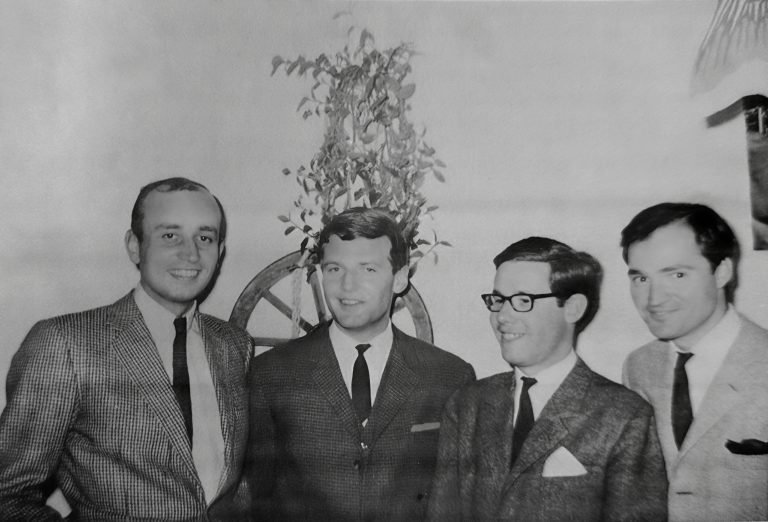
A journey back in time to 1965.

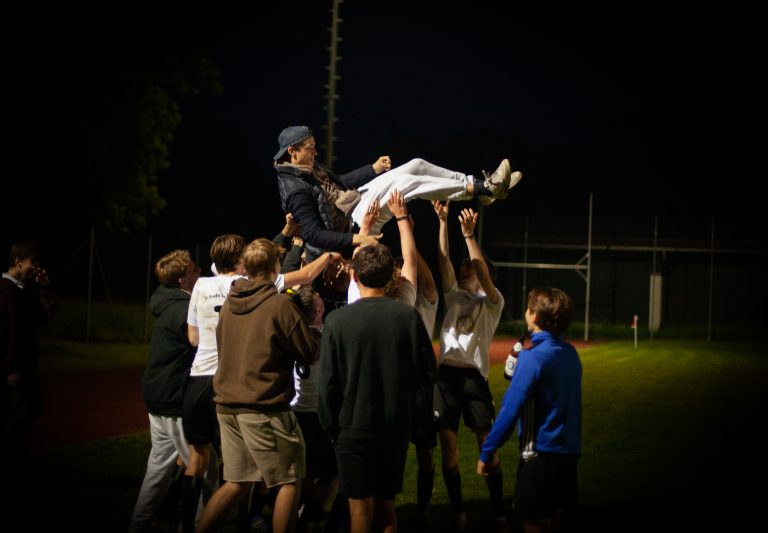
The graduating classes of 2020-2024 look back on years full of challenges, solidarity and unforgettable moments. Between corona, new projects at boarding school and personal experiences, they talk about what Stein meant to them during this special time.

New paths, significant changes – and memories that endure. The 2010s at Stein were a decade of great dynamism: The new Abitur, modern technology, new faces, and a strong sense of togetherness shaped daily life. Those who were here at the time recall not only lessons and examinations, but also community, friendships, and that special feeling of being at home in Stein.